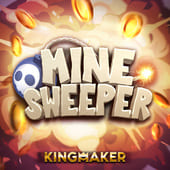
Minesweeper cards game

Cards Game · Scatter Slots

Minesweeper

A calm board, sharp clues, and one choice at a time.

Minesweeper is a classic tile-reading experience for players who enjoy a measured pace. Each revealed square adds information to the board, while every unopened square asks for a decision. This Cards Game guide keeps the focus on observation, memory, and responsible play rather than promises of a particular result.

Use this page as a practical Minesweeper Demo reference before opening a session. A demo label can help new players understand the vocabulary of the board, but it does not change the rules or guarantee an outcome. The best Minesweeper habit is to pause, read nearby clues, and choose only when the evidence feels clear.

When you are ready to explore Scatter Slots, the Scatter Slots app keeps the games area close at hand. Set a time and spending limit first, then treat Minesweeper as an entertainment choice within that plan.
What Is Minesweeper?

At its heart, Minesweeper is a logic-led Cards Game built around a grid of covered and uncovered tiles. A number tells you how many hazards touch the surrounding area, so the board slowly becomes a map of known information and careful assumptions. The visual language is simple, which is why this game remains approachable for first-time players and familiar to returning ones.

The Minesweeper Demo idea is useful for learning a repeatable routine: scan the row, count the marked spaces, compare neighbouring clues, and make a note of unresolved areas. It is not a promise that every tile is predictable. It is a way to turn a quick guess into a considered choice.

Players who like to alternate between board logic and lively themes may also enjoy All Star Fishing. Whichever title you visit, keep your session measured and remember that a Cards Game is entertainment, not a financial plan.

How to Play Minesweeper

Follow a steady sequence instead of rushing from one tile to the next. This simple method makes a Minesweeper Demo session easier to understand and gives you a useful framework for any board-based Cards Game.

  1. Start with the board. Look at the full layout before selecting anything. Notice open spaces, clusters, edges, and the areas where clues may connect.
  2. Read every number. A clue describes nearby hazards, not the whole row. Compare it with the surrounding covered tiles and any marks you have already made.
  3. Mark an assumption. If a space seems unsafe, record that thought mentally or with the available board control. Do not treat an assumption as certainty until nearby evidence supports it.
  4. Choose a clear tile. Prefer a tile supported by more than one clue. When the board does not provide enough information, pause rather than forcing a decision.
  5. Review the result. Whether the board opens or the round ends, notice what the clues taught you. Learning the pattern is more valuable than chasing a particular result.

For a wider Scatter Slots orientation, the Bingo Fishing page offers a different pace and theme, while Tower adds another choice-focused format. Returning to Minesweeper after a short break can also help you see the board with a fresh eye.

Minesweeper Features

Open the Minesweeper Demo view

Minesweeper Strategy and Table Habits

Good Minesweeper strategy is less about a secret trick and more about managing information. Begin with the clues that touch the fewest unknown tiles. They usually give you a cleaner starting point than a crowded corner. As the board opens, connect clues across rows and columns instead of reading each number in isolation.

Use a small mental checklist for the Minesweeper Demo: what is confirmed, what is possible, and what is still unknown? Keeping those categories separate reduces the chance of turning a hopeful guess into a false fact. In any Cards Game, clear notes and a calm pace make decisions easier to evaluate.

Set a stop point before opening a board. If you feel frustrated, distracted, or tempted to continue beyond that boundary, close the session and return another time. Responsible gaming means the plan remains more important than any single board.

Quick Checklist
  • Check the whole board before the first selection.
  • Compare a clue with all adjacent covered spaces.
  • Separate confirmed information from guesses.
  • Pause when the evidence is incomplete.
  • Stop at the time and budget limit you set.

Minesweeper Demo: A Practice Mindset

A Minesweeper Demo guide should teach process, not sell certainty. Use the opening moments to learn how numbers relate to the board, then pause and ask why a tile looks safe. This approach gives the Cards Game a useful learning loop: observe, choose, review, and adjust.

Keep your expectations realistic. A demo reference can explain controls and terminology, but it cannot predict future tiles or replace the rules presented in the game interface. Minesweeper remains a decision-by-decision experience, and a careful player accepts that some information will stay incomplete.

Before visiting Scatter Slots, check that your device is comfortable, your connection is stable, and your session plan is clear. The Scatter Slots link is for access; it is not a reason to extend a session beyond your limits.

Minesweeper FAQ

Is Minesweeper a Cards Game?

On Scatter Slots, Minesweeper is listed in the cards category. This Cards Game description refers to the site category, while the board itself is best approached as a clue-reading and tile-selection experience.

Does the Minesweeper Demo guarantee a result?

No. The phrase Minesweeper Demo describes a learning reference on this page, not a promise of a particular board, outcome, or reward. Read the current interface and make decisions within your own limits.

What should a new player do first?

Start by studying the full board, then choose a tile supported by nearby clues. If you are unsure, pause and review rather than rushing. You can also use the Scatter Slots games area to explore other formats.

How can I keep the session responsible?

Choose a time and spending boundary before you start, avoid chasing a result, and take a break when the boundary is reached. A Cards Game should fit your entertainment plan rather than replace it.